How your daily cuppa can enable others to learn
Jenny has been instrumental in turning Bristol into one of the worlds leading Fairtrade Cities. Today is International Literacy Day and Jenny writes about how Fairtrade can also improve access to education for workers and their families.
Before you leave the house in the morning you might have drunk tea from Kenya or coffee from Nicaragua, sweetened with sugar from Malawi and maybe eaten a banana from the Dominican Republic. If you’ve chosen Fairtrade tea, coffee, sugar, bananas, or one of the other 4,500 products available, you know you’ve supported farmers, their families and communities not just with a fair price but with access to healthcare, education and training through the Fairtrade premium.
In 2012, Fairtrade organisations in some of the world’s poorest countries spent on average 15% of their Fairtrade premium money on education and training - for themselves, their children and for the wider community.
Training is a vital part of developing business and learning. It’s become increasingly important for farmers in developing countries. Fairtrade is investing in climate change adaptation programmes, providing information and training in diversification, better irrigation, crop varieties that need less water and how to protect soil from flooding and extreme weather. Vital education that enables sustainable food production into the future.
The Fairtrade Premium funds these education programmes. One example is Ravine Roses in Kenya. North-West of Nairobi, Ravine Roses is made up of five farms that employ more than 1,200 full-time workers, a majority of which (52%) are women, making them the biggest employer in Eldama Ravine and surroundings.
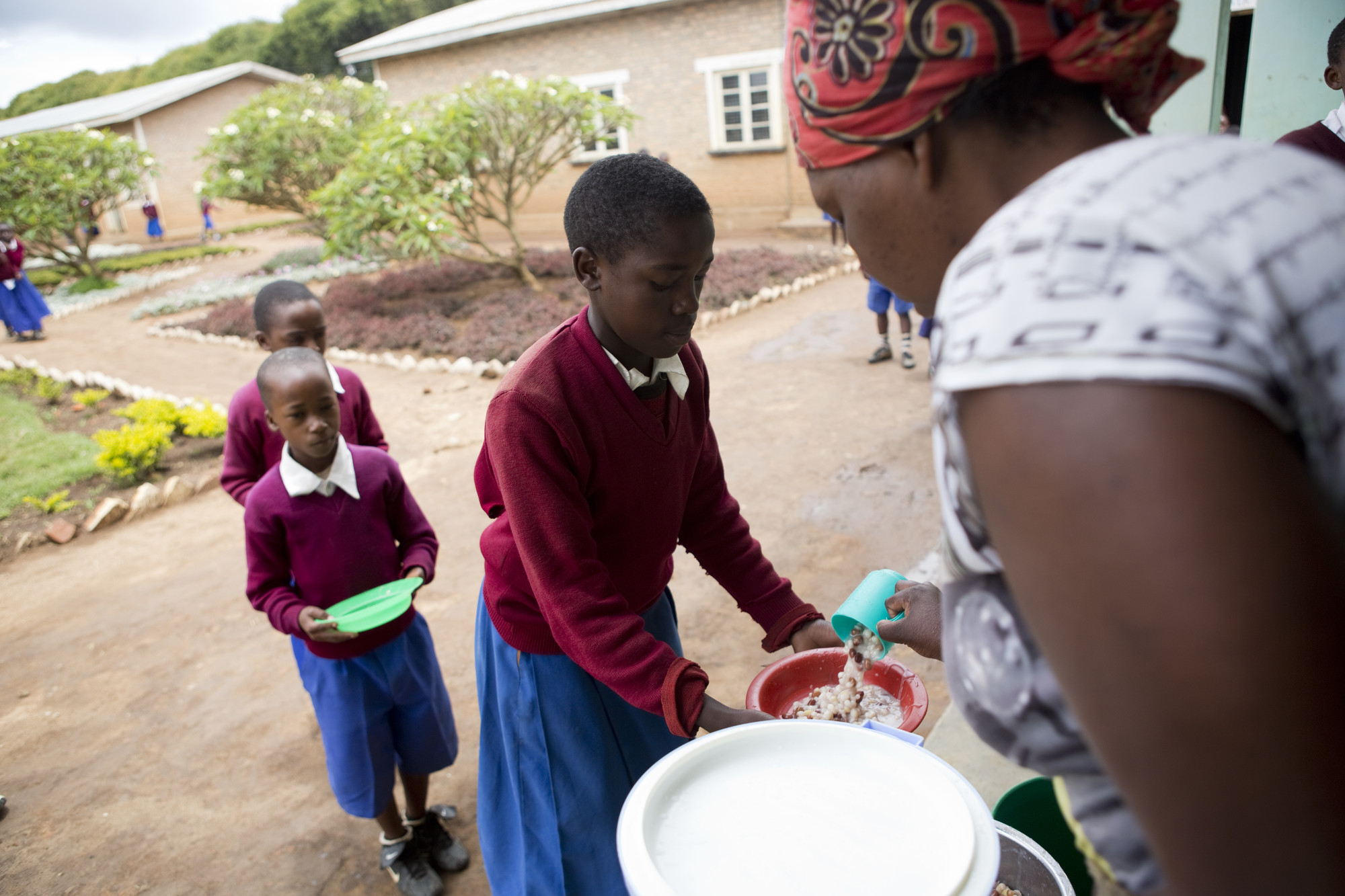
Fairtrade has helped fund the establishment of a bursary scheme to assist students joining one of the six primary schools in the area or continuing their studies to high school.
It has also set up an Edu-credit scheme providing interest-free loans for school fees to all workers and supported the construction of improved facilities, such as new classrooms, in the areas schools.
Another example of Fairtrade supporting workers training comes from the Sureñita Fairtrade Womens Co-opertaive in Honduras, which consists of 134 local women processing cashew nuts for export to European Fairtarde retailers.
Maria de los Santos Muñoz joined the Cooperative in 1993 with only a primary school education, common among the majority of women in her community. However, soon after joining Maria started training within the organisation, taking a range of courses including management, accounting, gender studies, computing, processing and marketing - today Maria is the General Manager of one of the Sureñita Processing Plants.
Marie is now completing a Bachelors degree and offering regular training to other women in the cooperative.
Every Fairtrade Fortnight we invite a female Fairtrade Producer to Bristol through Bristol Link with Nicaragua (BLINC). One co-operative bought bikes for their young people so they could attend high school which was too far away to walk. Simple, sustainable, solutions that open up a world of opportunity to hundreds of young people. Farmers always tell us how paying school fees and providing school equipment is one of the first things they do with the extra money Fairtrade provides.
So, next time you have a tea break at work, maybe ask the question ‘Is this Fairtrade?’ Because it will not only revive you, but provide opportunities for learning for farmers and communities across the world - and that’s a pretty refreshing!