Midwives deal with ageing workforce and rising birth-rate
With the increase in NHS and state pension ages, midwifery faces some major issues in the coming few years and the Royal College of Midwives (RCM) is taking a series of steps to tackle these. In 2012, 49% of midwives in England were aged over 45. This number is forecast to increase every year.
The annual birth rate in England & Wales increased from around 580,000 in 2001 to 730,000 in 2012. The incidence of complex births and the age of mothers have also risen, making maternity services an area under pressure.
In a RCM survey, 82.4% of Heads of Midwifery said working longer would have a negative impact upon staff and 71.4% that it would negatively impact on the service to women. The Heads of midwifery services (HoMs) also told us that 92% of them thought older workers would struggle to work in the demanding delivery and labour wards as they got older.
Against this background, there is a big concern that midwives will find it harder to cope with the physical and mental challenges of working longer. From our union learning fund (ULF) project point of view, there is also an issue of midwives needing to undertake continuous professional development (CPD) for longer than they might have previously expected.
From 2016, the amount of CPD required to maintain the three-yearly registration as a midwife will increase from 35 to 40 hours, adding additional pressure, but an opportunity for our ULRs.
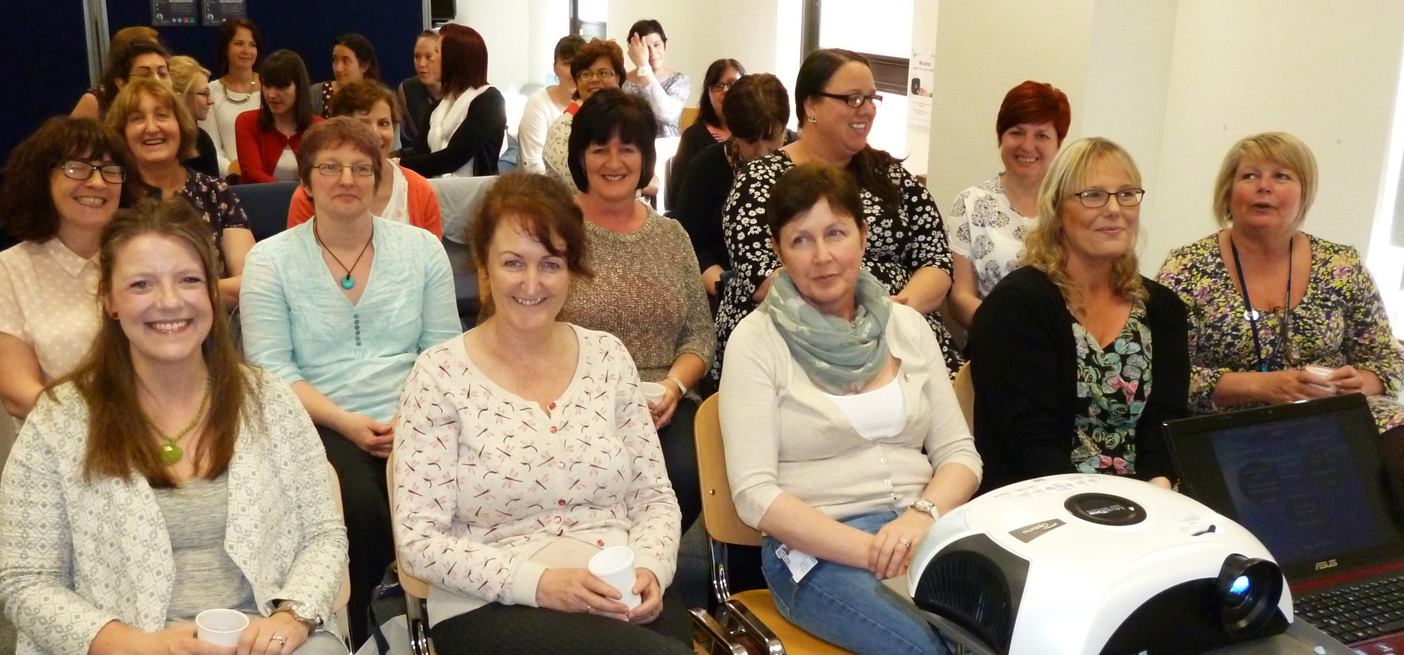
Starting in October, we are running a series of six workshops to look at the issues. The RCM believes that, working with employers and the Department of Health, measures can be taken to see us through this situation. We believe that working longer is an issue for all our workplace reps – Union Learning Reps, Stewards and Health & Safety – as the issues cross all three specialisms.
The workshops will look at the current demography of the maternity workforce, how to get workplace specific data and info on new midwives coming through their three-year degree programme. We'll examine capability and sickness absence issues, job design, shift working, health & wellbeing and roles within maternity units.
We will also consider effects on younger staff and their career progression as older, higher graded staff will be remaining in post longer. The workshops will also be tapping in to the unionlearn Mid-life Career Review programme for those who want or need to leave the service.