The positive difference unions make
It is a little known fact, but, each year, more than 200,000 people are given training and learning opportunities through their union. As well as helping workers to become more skilled and productive, unions make workplaces better environments to work in.
Take the example of Mary Sherwood, a Prospect member at the Met Office in Exeter.
After going on a union training course in 2014, Mary set up a dementia carers’ network at her work to provide support and advice for colleagues whose loved ones were suffering from the condition. The project was so successful that other large employers in the region, such as IBM, are now looking at introducing a similar model.
Mary is one of many unsung union heroes that you won’t hear much about in the media, but thanks to her and countless others, people have a better experience at work.
This February (8-14), the TUC is running a special week of activities throughout England and Wales to showcase the amazing work union members like Mary do. Events are being planned across the South West.
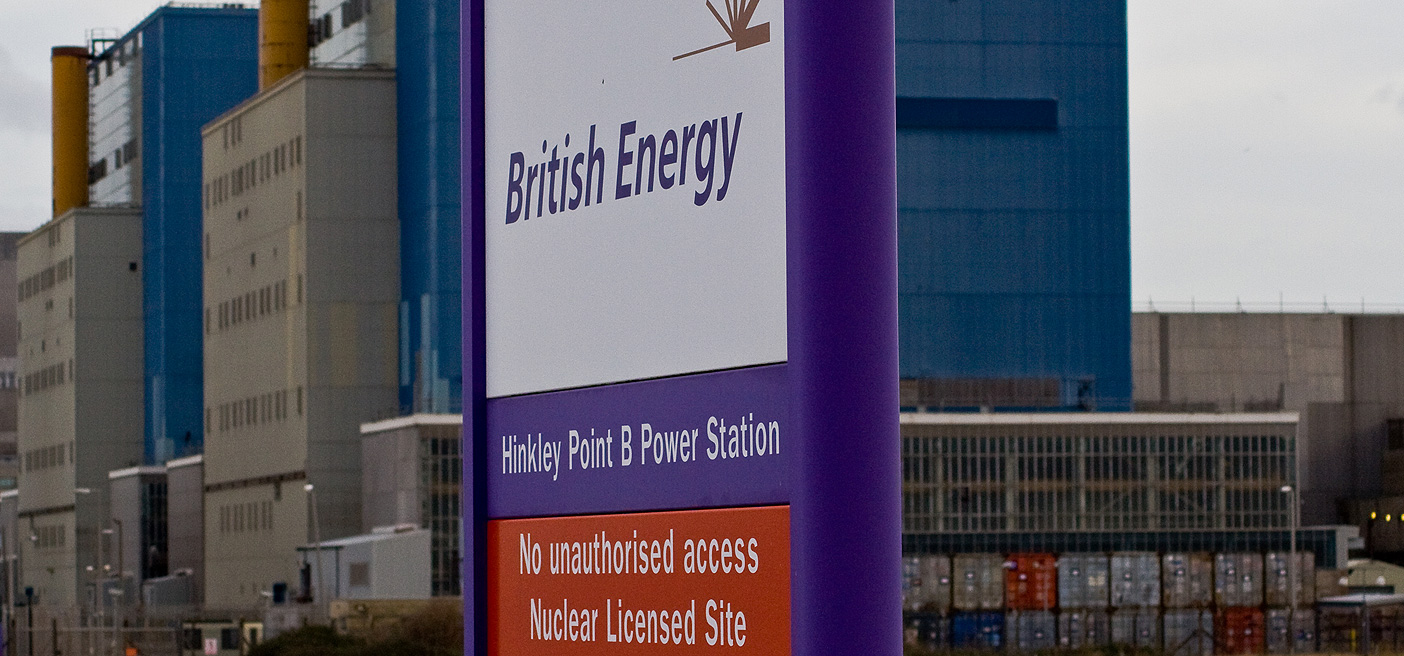
Yesterday, I visited Hinkley Point, where EDF Energy plans to build the UK’s first nuclear power station for a generation. Good industrial relations will be critical to ensuring workers are safe and well treated, and the project is completed successfully.
As well as generating thousands of jobs for the region, Hinkley Point will be home to a new union learning hub. This construction will create hundreds of apprenticeships and provide training and learning for local people and workers at the plant. EDF Energy, like many good employers in the region, recognises the value of working jointly with unions to bolster the skills of their workforce.
They are by no means alone in seeing the positive difference unions make.
Less than 30 miles from where I was yesterday, the Professional Footballers Association (PFA) are working in partnership with Bristol Rovers football club to build new links with hard-to-reach communities.
This is just one of many pioneering projects being run by unions in the South West and throughout the country. And it is not only football that is bringing people together.
Take the example of the Prison Officers’ Association (POA) in Dartmoor. As well as running a learning centre for prison staff, the POA provide IT facilities for local farmers to manage their livestock.
These are not the kind of stories you hear much about in the news or Parliament, but they demonstrate how much unions contribute to the communities they serve.
So that’s why we’re asking people to get together a group of their workmates and colleagues and all join a union. Because negotiating together for higher wages, investment in skills and better relations at work is how we get an economy that delivers for everyone.